
At airports, ports, and high-security installations across the country, CISF personnel stand watch for hours.
At airports, ports, and high-security installations across the country, CISF personnel stand watch for hours.
Most people notice the uniform. Few notice the life behind it.
Children growing up in another city. Ageing parents. Family disagreements that cannot be resolved over a phone call. Long hours of duty that leave very little time for anything else.
The stress and loneliness are rarely dramatic. It accumulates quietly. And the mental health stigma within CISF is heavy but it is slowly but surely changing.
"Nobody is stressed because of duty itself. The biggest challenge is personal time,” said Reserve Inspector Shravan Kumar, CISF.
When sudden deployments come, a unit loses a large part of its strength overnight. The remaining men absorb the extra work without complaint. That is the job. But the pressure finds its way out somewhere; sometimes as irritability, sometimes as a phone call home that goes badly for reasons no one can quite explain.
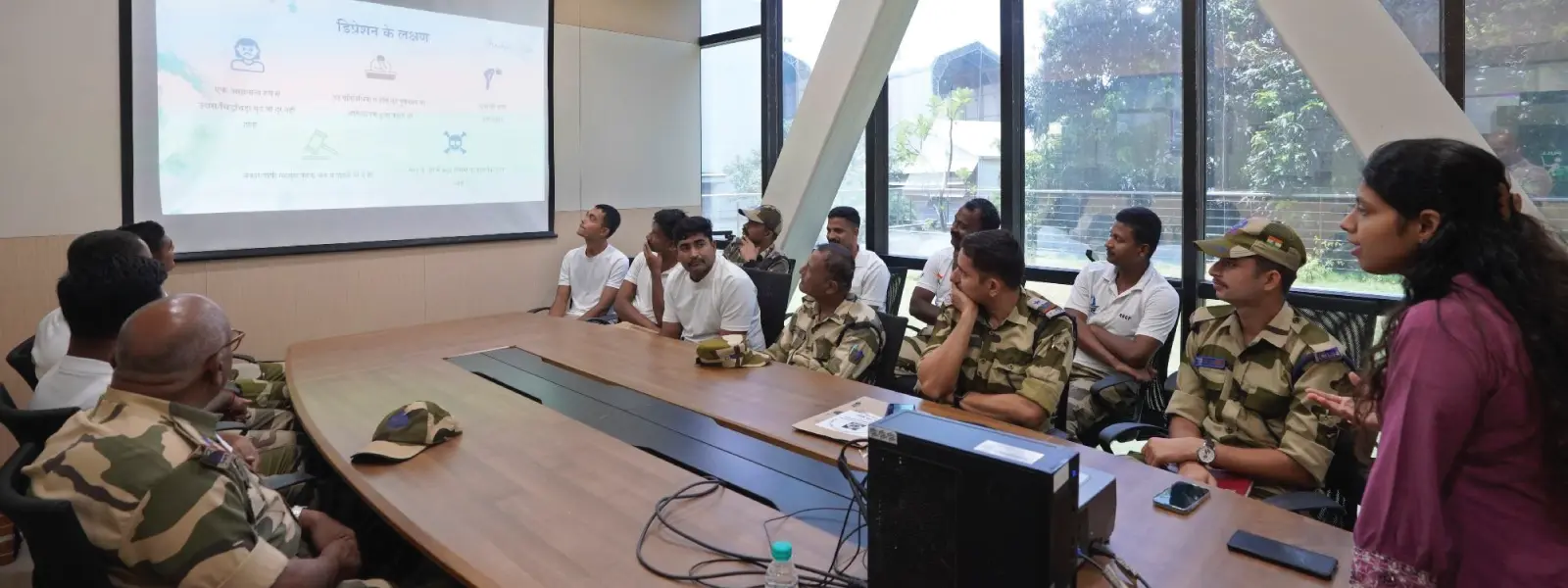
Inside a training room in Mumbai, a group of CISF personnel gathers for a mental health awareness session under Project Mann, a joint initiative between Mpower and CISF. Sayali, Mpower's clinical psychologist, begins with a simple question.
Is there anyone here who has no stress?
The room breaks into laughter. For a moment, the men look at each other.
No hands go up.
What follows is not a speech about mental health, but a conversation about things rarely said in uniform.
One man talks about leaves being cancelled just before a family occasion he had been planning for months. Another describes the exhaustion of longer shifts when the unit is short on strength. Someone speaks about the feeling of being present on duty and absent from life at home, even when doing everything right.
Near the end of the session, the room grows quiet.
A breathing exercise begins.
Four counts in. Four held. Four out.
Then, name five things you can see. Four you can hear. Three you can touch.
Men in uniform sit with eyes half-closed, fingers resting on the rough fabric of their own sleeves. The hum of the AC fills the room. Nobody opts out.
For a few minutes, attention shifts away from deployments, duties, and missed occasions. It returns to the present moment.
“There are things people cannot always tell their officers. But they tell the psychologists. Once they open up, we see changes. Real changes”, said Reserve Inspector Shravan Kumar.
Project Mann offers CISF personnel and their families a confidential space to speak about what they carry, before it becomes too heavy to carry alone. Counselling support and a free 24-hour helpline are available across India, providing an instant access to help they never had.
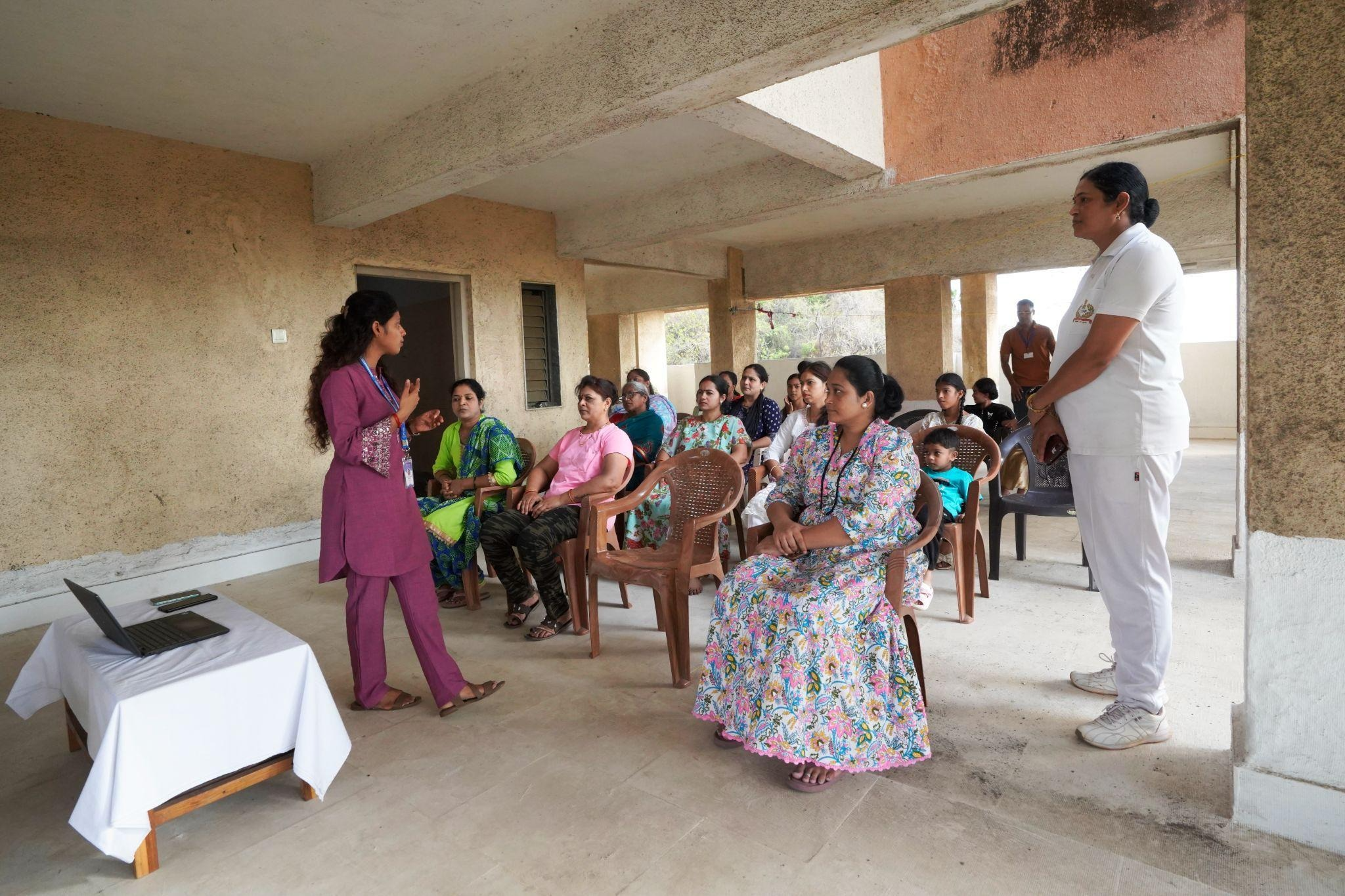
(Mpower's Clinical Psychologist, Sayali, conducts a mental health awareness session for the wives of CISF personnel)