Children of today are growing up in a world that asks of them a different kind of readiness. The idea of education, once understood as a relatively fixed journey from learning to examination, and from examination to a chosen profession, has itself begun to change.
Children of today are growing up in a world that asks of them a different kind of readiness. The idea of education, once understood as a relatively fixed journey from learning to examination, and from examination to a chosen profession, has itself begun to change.
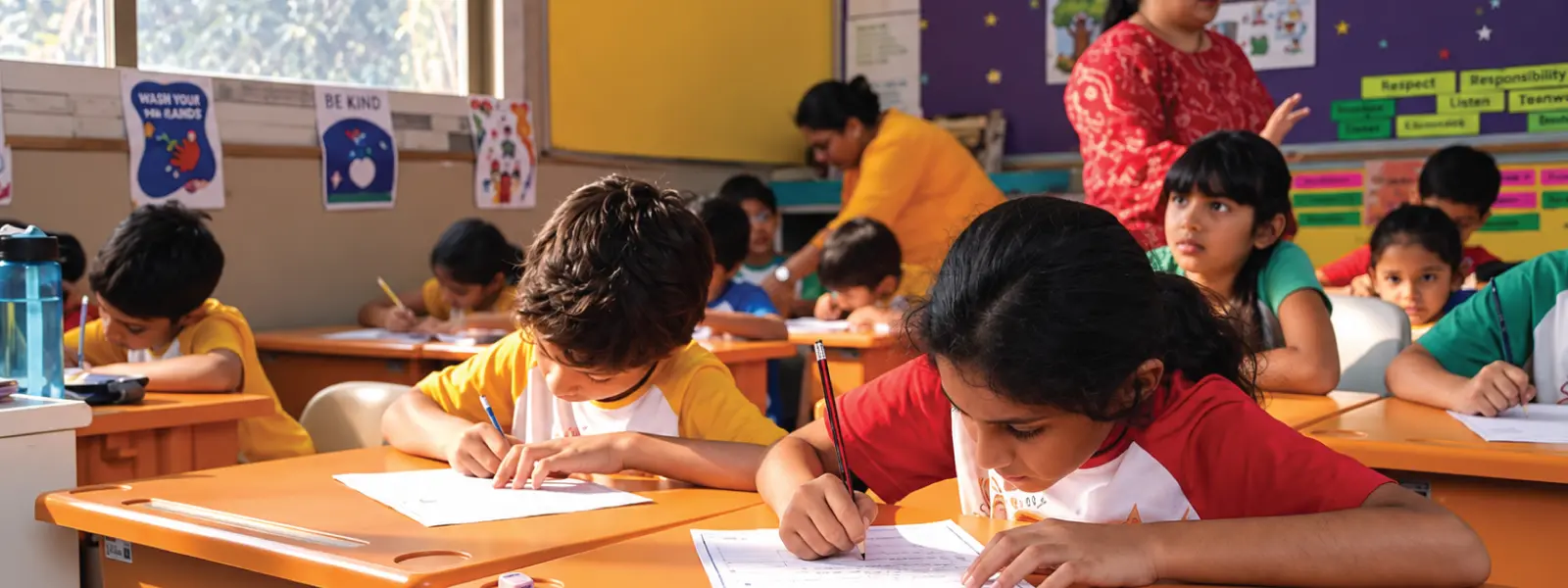
Schools are places where children discover ideas, master concepts, solve equations, analyse literature and prepare for the future. But alongside every lesson taught, there is a lived experience of children learning how to respond when things do not go their way, how to sit with uncertainty, how to understand themselves and make sense of others, how to disagree without diminishing one another and, most importantly, how to begin again.
These lessons shape the people children eventually become.
This understanding has, over time, shaped our philosophy across our schools at the Aditya Birla Education Trust. We see emotional learning as something woven into their very fabric, shaping what we teach, how we teach it and, ultimately, how our students experience learning itself.
At Aditya Birla World Academy, this journey began with a deceptively simple question: what does growth really mean for a child?
From its earliest years, ABWA sought to look beyond conventional measures of achievement and recognise the qualities that give achievement its meaning. As our understanding evolved, so did the questions we asked. Through the work of Mpower across schools and communities, our experience of mental health and emotional wellbeing offered another lens through which to understand childhood development. We began to recognise that emotional resilience is not an abstract quality that children acquire someday in the future. It is built over time, through the experiences and support we give them.
This understanding led to PRIME (Personalised Report on Impact, Mindset and Empathy) at ABWA. It is a framework created to broaden our understanding of growth and to recognise dimensions of development that traditional measures can overlook. PRIME offers students, teachers and parents a structured way of recognising growth in character, leadership and emotional intelligence, helping us see not only what a child achieves, but who the child is becoming.
Through Minds Matter, mental health education is brought into the school environment, helping children develop the language to recognise emotions, understand what they are experiencing, manage stress and seek support when they need it. The programme has expanded from 44 to 81 schools, with participating schools reporting a 24.6% reduction in students identified as being at high risk for mental health concerns and a 46.6% increase in students reporting no mental health difficulties.
Across Mpower’s work with schools, mental health interventions have shown the value of beginning these conversations early. Through teacher sensitisation, curriculum-based learning and peer support, students report better ways of managing stress and difficult situations, as well as greater ease in handling conflicts and disagreements. Importantly, this also helps embed emotional wellbeing more deeply within the school environment.
At its simplest, this means helping children recognise and name what they are feeling. As one of our students put it: “Everything begins from us. If you start loving yourself and act out of love for yourself, you will automatically be kind to everybody and be kind to yourself and lead a fulfilled life.”
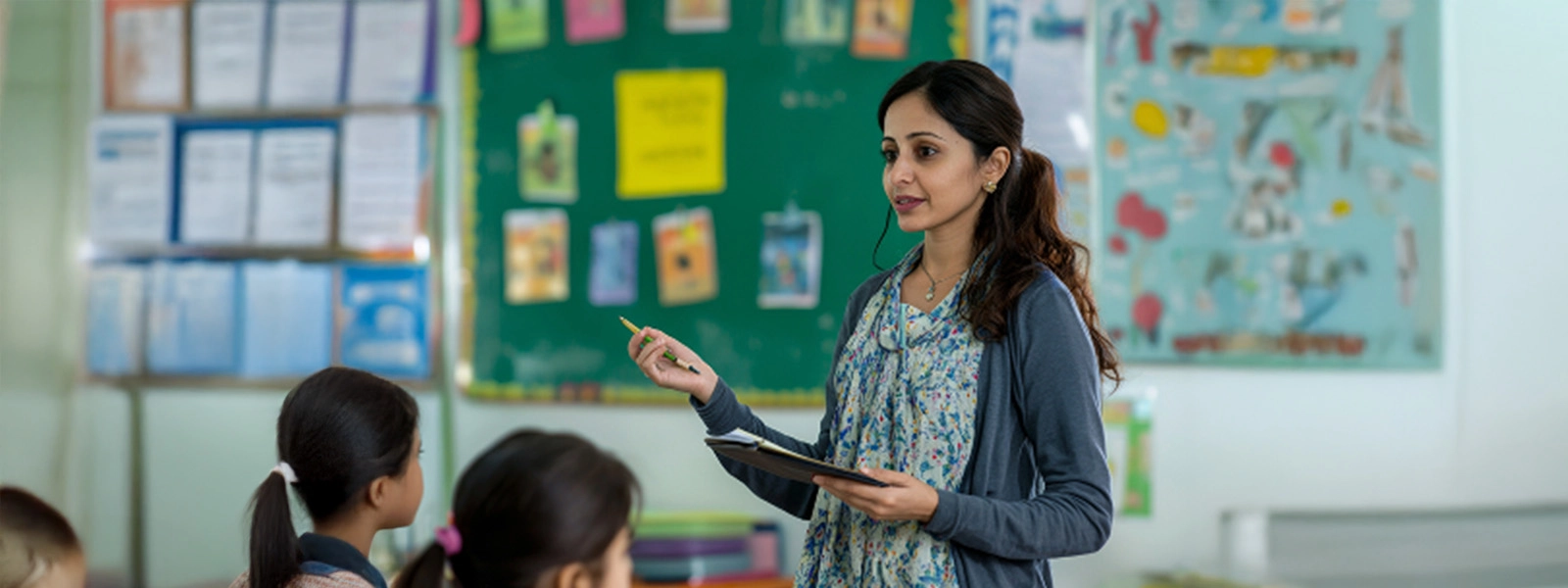
One child who was hesitant to participate at first discovered that her questions were valued as much as her answers. Her curiosity became a source of confidence. What began as wonder slowly became a willingness to explore, to speak and to believe that she had something worth discovering.