
This image has been enhanced using AI tools.
After Ujaas sessions, 14-year-old Lokesh challenged taboos and vowed to bring change to his village.
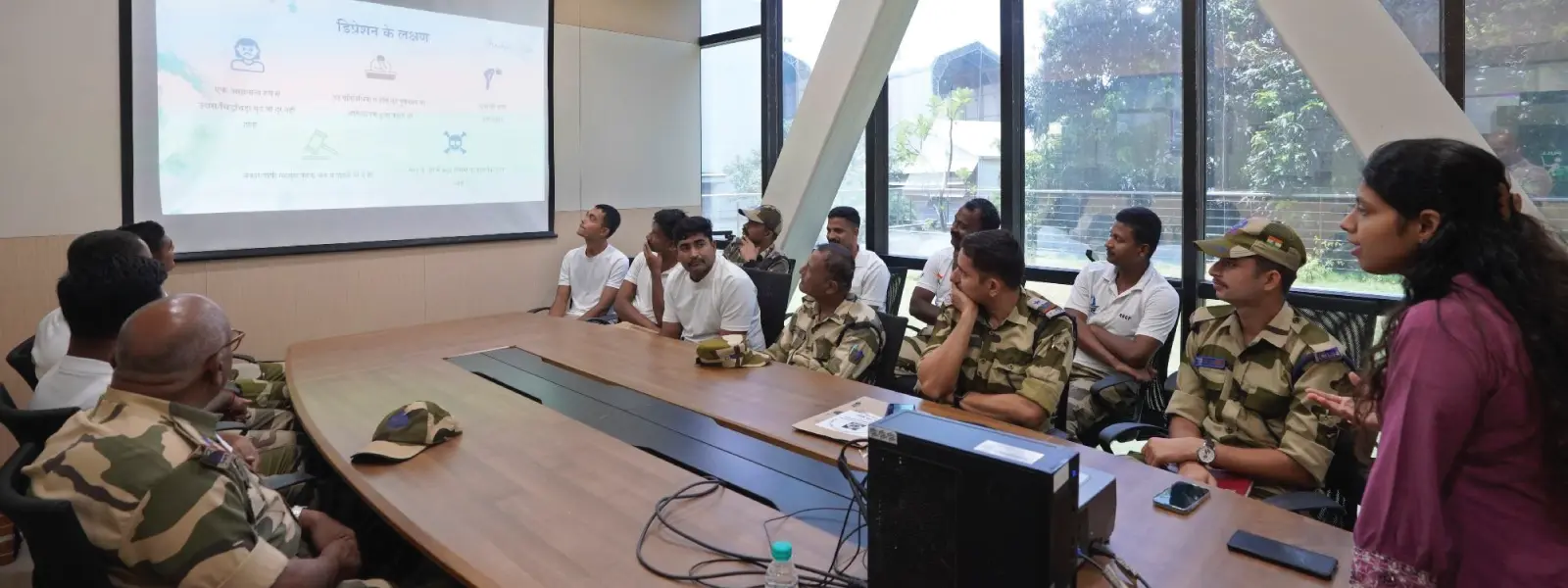
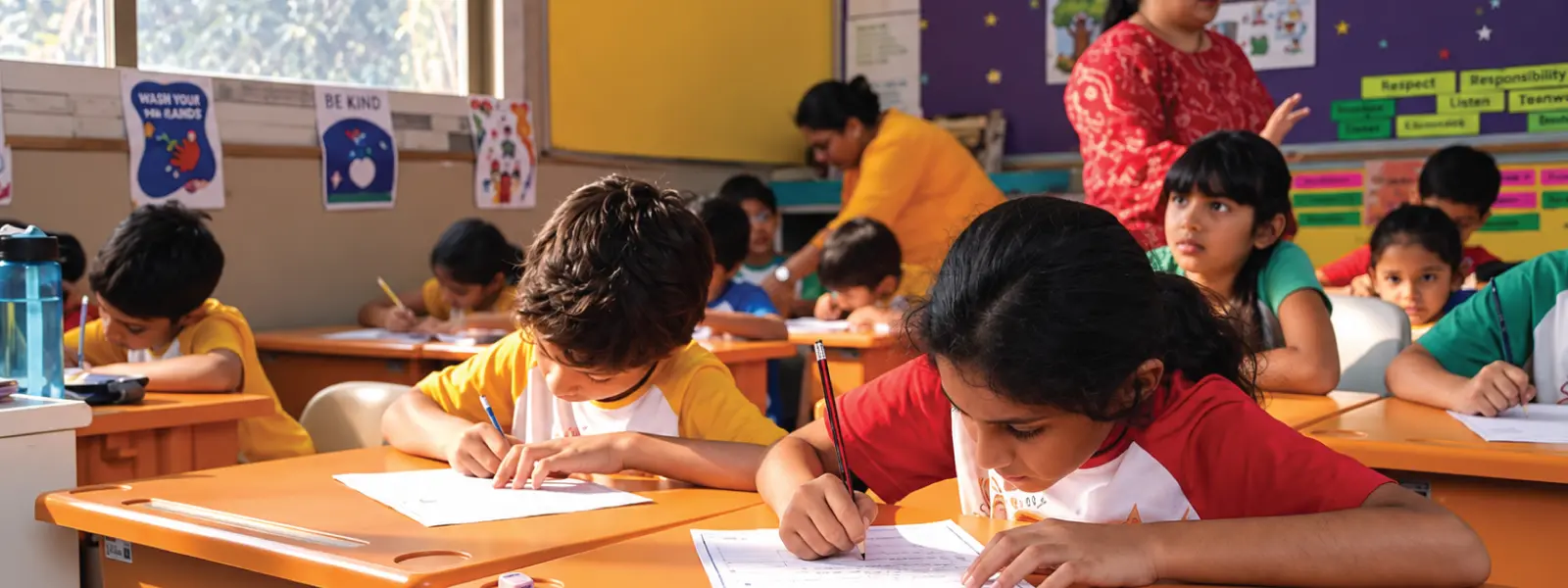
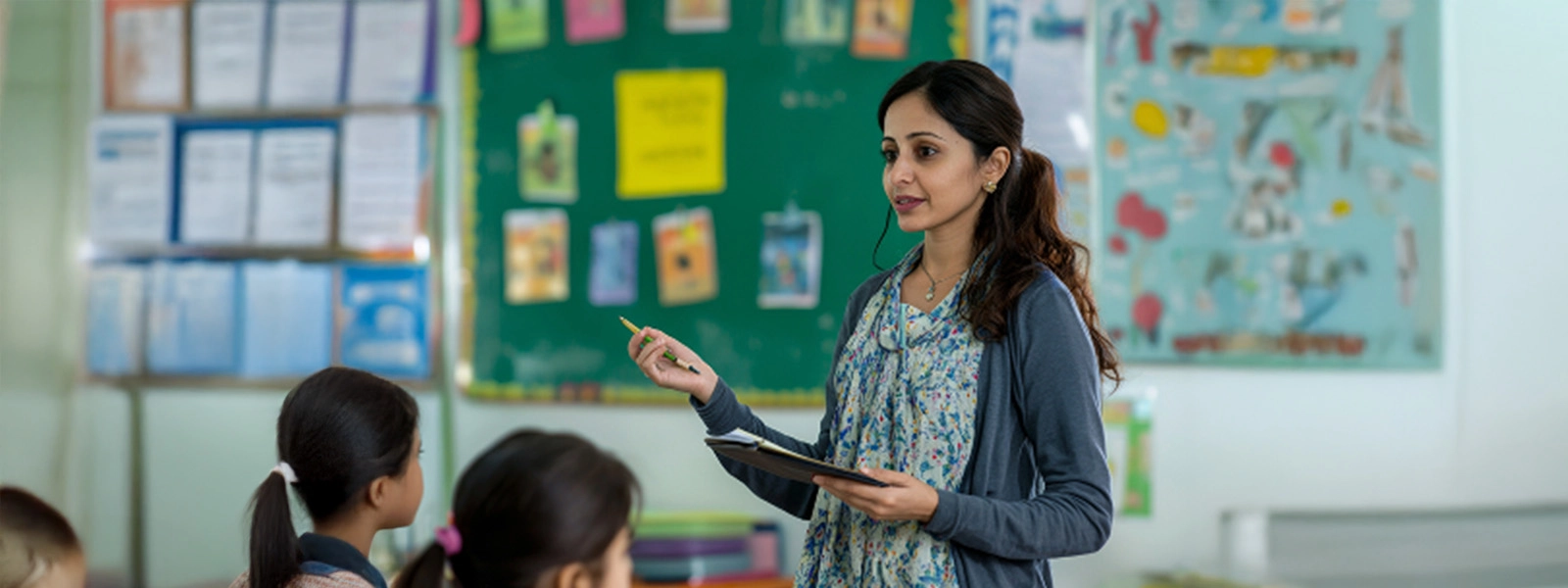
In the tribal regions of Chandrapur, where traditional beliefs often shape the understanding of natural processes, Ujaas embarked on a journey to bring about a change. In the classrooms of New English High School and the Ashram School in the tribal areas, sessions on menstruation management were conducted to educate young boys and girls, including the complexities of physical and emotional changes during menstruation. What happened during these sessions was both enlightening and transformational, challenging old taboos and bringing much-needed awareness to the community.
A Boy’s Perspective: Lokesh's Realization
In one such session at New English High School, a 14-year-old boy from Class 8, Lokesh Gajanan Aichwar, shared a deeply insightful experience. Lokesh, from the remote Jivti Pahadi region, spoke about the traditional rules and customs surrounding menstruation in his village. He explained that, during menstruation, strict rules are followed, such as women not being allowed to enter the kitchen, sitting separately from others, not touching water, and even being forbidden to touch clothes. These practices, deeply rooted in the community, were considered non-negotiable.
However, after attending the session, Lokesh had a powerful realisation. “We were taught about the physical and emotional challenges women go through during menstruation. My mother suffers because of these rules, and I never understood how hard it must be for her,” he shared.
He further added, “Now that I have learned the truth, I can explain this to my mother. If I share what we've learned here, it will help clear the misunderstandings in my village. People will start respecting menstruation, and they will treat it with dignity.”
Lokesh's statement was a turning point. His openness and willingness to break the silence surrounding menstruation marked a shift in his thinking, not only for him but also for his peers. His understanding and sensitivity toward menstruation had grown, and he expressed a desire to take this knowledge back to his village, where menstruation is often seen as a taboo subject.
Plan of Action: Transforming Practices through Ujaas
The session had an immediate impact. Lokesh and his classmates began discussing menstruation openly—something that had never been talked about before in their communities. This encouraged the Ujaas team to see the potential for broader change. They decided to extend this initiative into the community, reaching out to women and girls with a series of Ujaas workshops, supported by the ICDS department and Anganwadi sevikas. These workshops aim not only to educate women but also to address outdated practices and beliefs that have been perpetuated for generations. The team plans to continue these workshops over the next three months, working closely with the ICDS department.